Younger adults were more likely to believe the contemporary legends tested in the National Folklore Survey for England, according to findings announced by Sheffield Hallam University on 30 October 2026.
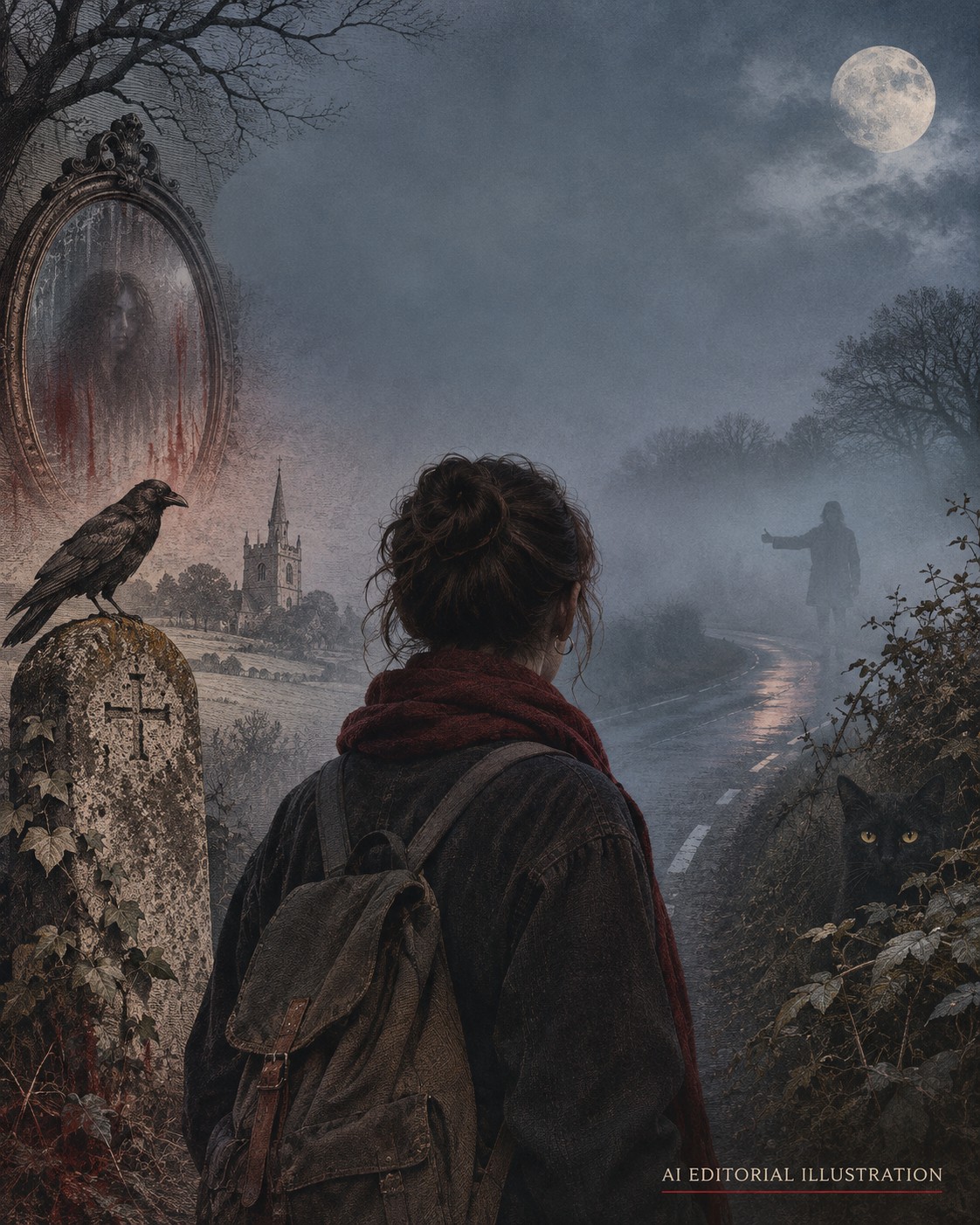
Respondents were asked whether they had heard each story and whether they believed it. Seven per cent believed the phantom-hitchhiker legend; 4% believed the story that Crying Boy paintings survive fires unharmed.
Among the other concepts tested, 33.5% believed non-native big cats roam Britain, rising to 40% in South West England. Ley lines attracted 31% belief, while 29% believed people can sense hidden water, minerals or treasure.
The age pattern cannot explain itself. The researchers caution that the survey cannot distinguish between people becoming more sceptical with age and today’s younger generation having a different relationship with these stories.
These are measurements of reported belief, not tests establishing whether the claims are true. Nor does belief in one story mean a respondent accepts every supernatural idea.
Recent findings: This is a follow-up to the university’s 30 October announcement, not research released today. The question for discussion: which legends remain convincing, and why?