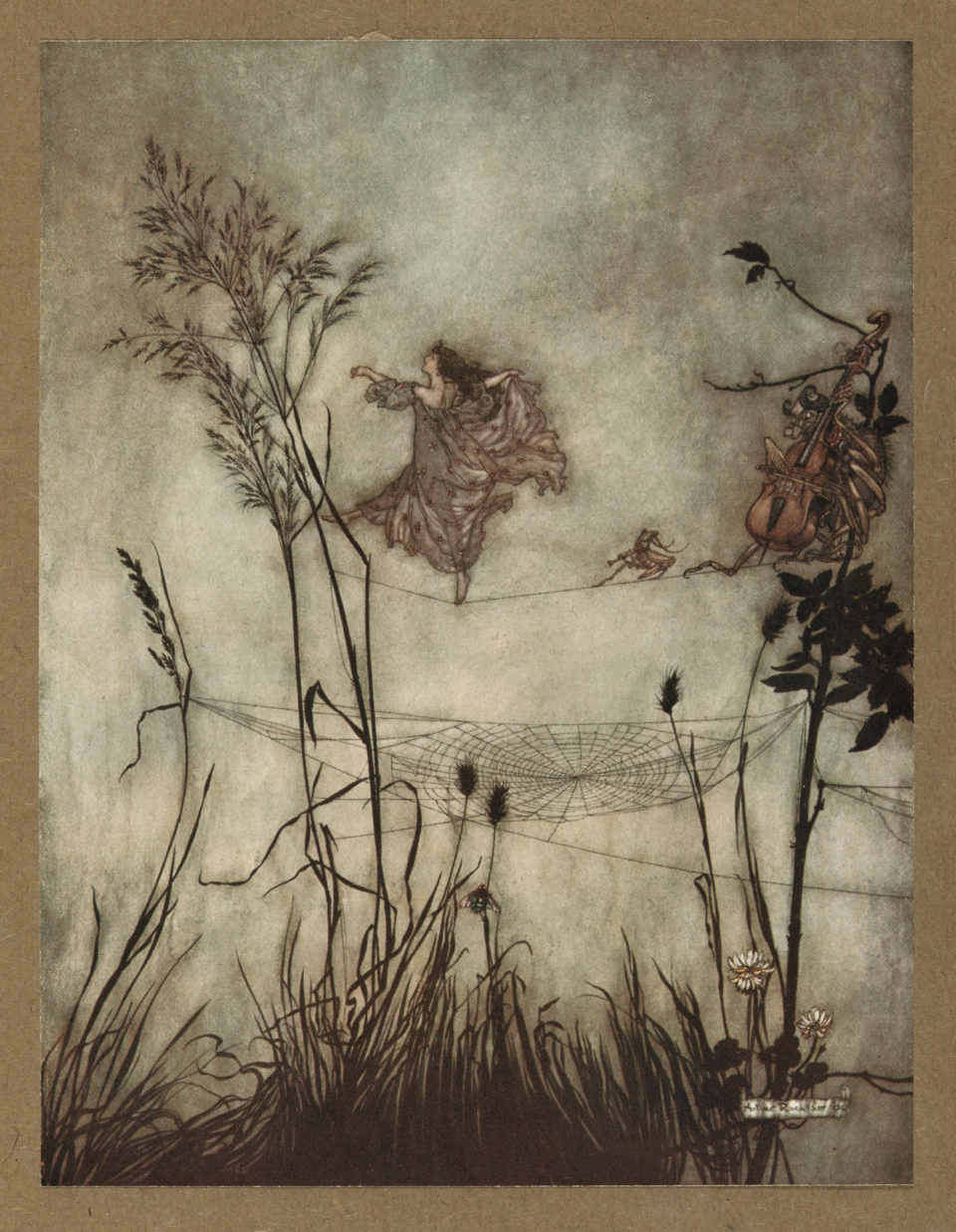
Fairies have not always been harmless, miniature companions. A paper by Alla Buravlova, published on 15 October 2026, examines their changing representation, from threatening folklore figures to attractive characters in contemporary digital culture.
The narrative review proposes that detecting agency, responding to beauty and seeking escape may help explain that transformation. It connects Victorian imagery with modern aesthetics such as Fairycore.
This is a theoretical interpretation rather than a new experiment measuring belief. The publisher states that no datasets were generated or analysed. The accessible abstract and publication details were checked; the full paper requires subscription access.
Why this edition: A quieter news day allows a worthwhile question: does making a supernatural figure appealing change how believable it feels? This is an October research spotlight, not breaking news.