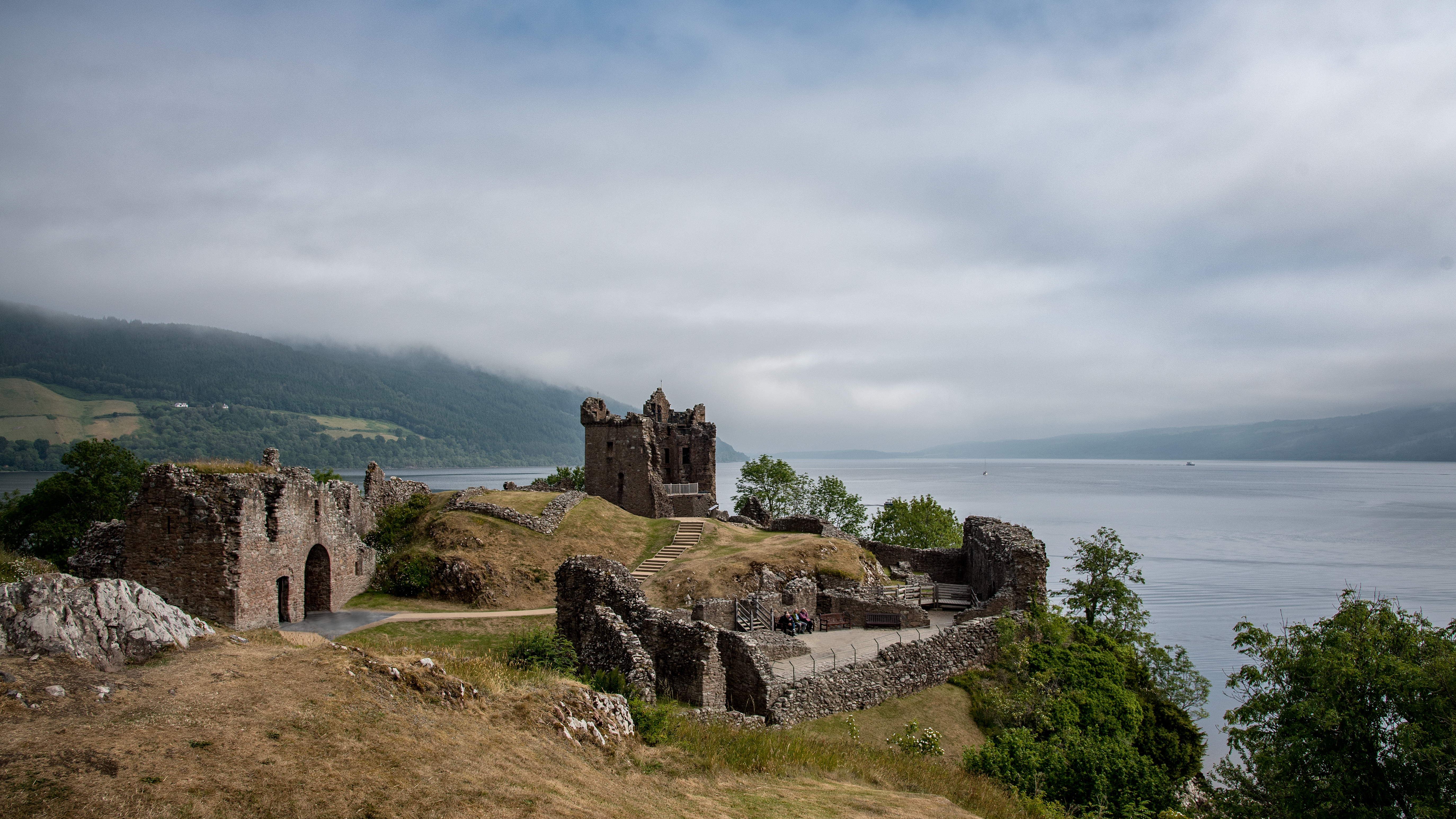
Loch Ness has returned to the news cycle with a striking figure: the Official Loch Ness Monster Sightings Register lists 15 accepted reports for 2026, compared with six during all of 2025. That makes this year the register’s second busiest of the century after 2019, when 18 reports were logged.
The timing needs care. Coverage renewed on 19 and 20 November, but the register’s most recent entry is dated 21 August. Felix Tiekemeier, visiting from Germany, reported seeing a dark object he estimated at roughly six metres long remain at the surface for about twenty seconds. Earlier summer accounts described a mound-like shape, an eel-like movement, wakes, humps and, in one case, what a sailor compared to a crocodile-like head.
Those descriptions are witness accounts collected by the register. Acceptance means they were entered into its record; it does not identify an unknown animal or rule out boats, wakes, wildlife, perspective and other ordinary causes. The listed photographs and video stills are useful records of what witnesses submitted, but they do not independently establish scale, distance or biological identity.
The real development is cultural as much as zoological. A year with more reports creates a stronger sense that something is happening, even when the latest event is not recent. The responsible headline is therefore not that Nessie has become more active, but that more people have reported unexplained observations—and the difference matters.
