
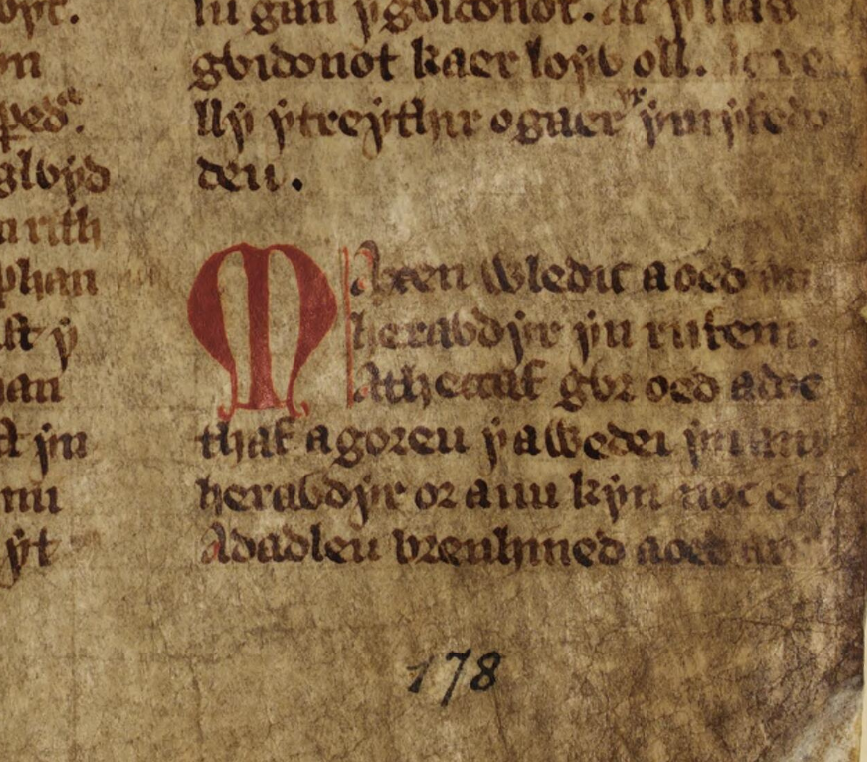
In a medieval Welsh tale, an emperor dreams of a woman in a place he has never visited. When Macsen Wledig wakes, he sends messengers along the route he saw in his sleep. They find Elen Luyddog at what is now Caernarfon, and Macsen travels there to meet her. The uncanny claim is that the dream gave him knowledge of a real person and place before he encountered either. Within the tale, the messengers’ discovery makes the dream appear to come true. National Library of Wales manuscript · Welsh Classical Dictionary, entry on Elen
In a 12 November analysis, Bangor University scholar Aled Ll Jones asks whether the legend preserves knowledge of a real place. The archaeological link comes from a separate episode that places Macsen’s camp at Frenni Fawr in Pembrokeshire. Aled Ll Jones’s analysis
The fort lies near Frenni Fawr in the Preseli Hills. Archaeologist Dr Mark Merrony first identified the earthworks from satellite imagery in 2024. Excavations culminating in September 2026 found evidence consistent with a Roman auxiliary fort, including building floors, a rampart base, a road surface, pottery, tile, an iron writing stylus, tools and coins. Two coins date to the later fourth century. Merrony’s own account says the fort was probably first established much earlier, during the governorship of Sextus Julius Frontinus in the late first century.
The camp in the legend is known as Macsen’s Chair. The excavated fort lies about 3.5 kilometres from the summit of Frenni Fawr. The finds establish a Roman military presence nearby. Whether the historical Magnus Maximus visited the fort or medieval storytellers remembered that specific site remains open. The dream and its apparent fulfilment are preserved in a medieval manuscript written centuries after the emperor’s lifetime. Wolfson College’s announcement
What the discovery establishes is a substantial Roman military presence in a landscape later used by Welsh storytellers. Whether the tale retained a distant memory of the fort, borrowed a visible landmark or reshaped unrelated history is still open.