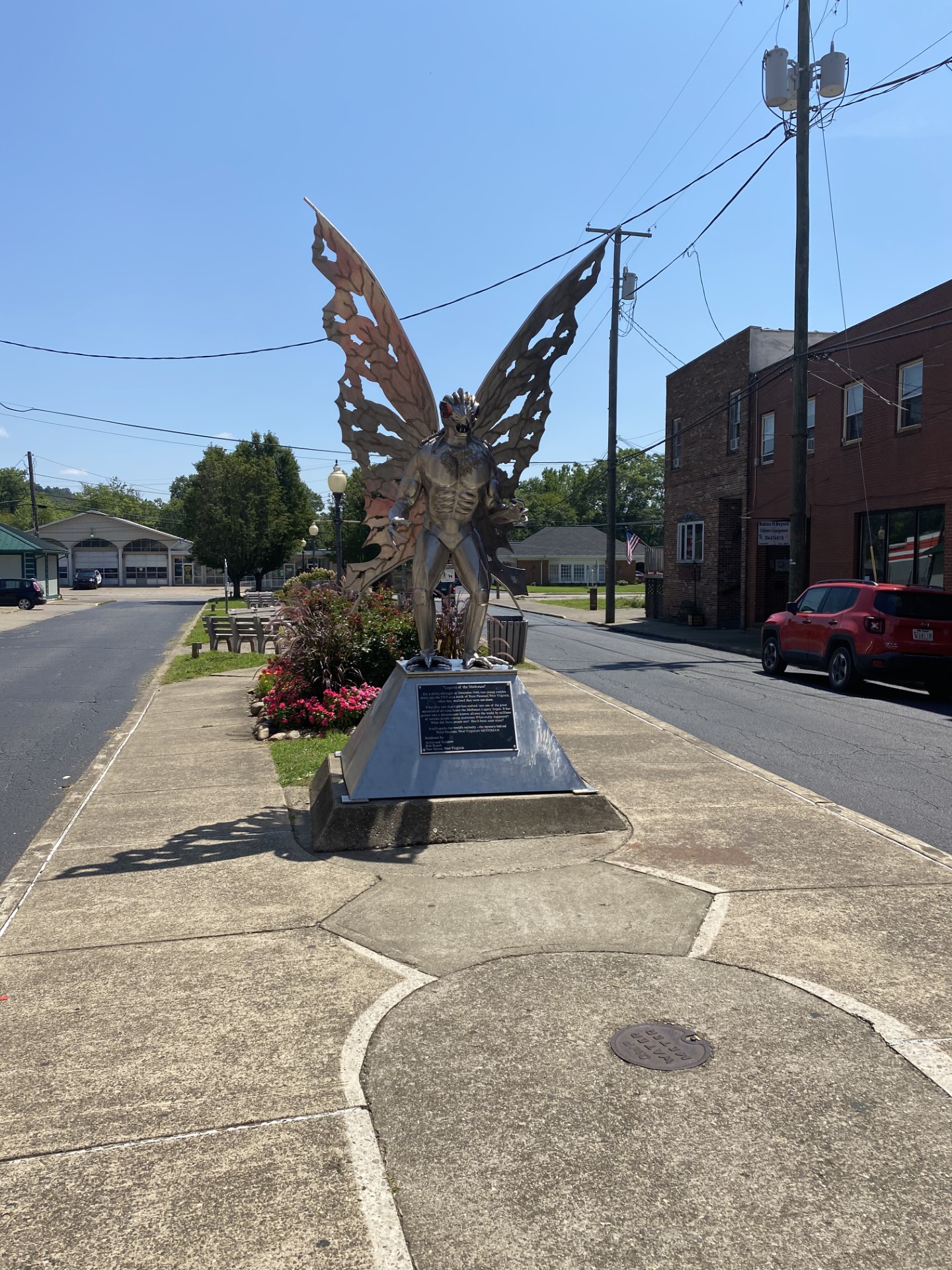
Mid-November marks sixty years since residents around Point Pleasant, West Virginia, began reporting a large winged figure with glowing red eyes. Ohio State’s Center for Folklore Studies says the reports began near a former munitions facility in mid-November 1966 and continued amid accounts of strange lights and electrical interference.
The legend changed irrevocably on 15 December 1967, when the Silver Bridge collapsed during rush hour and 46 people died. Later retellings bound the creature to the disaster, sometimes as omen, warning or cause. Those interpretations belong to folklore; they are not established findings about the collapse or the reported figure.
Ohio State has marked the anniversary with a “Moth-Vember” programme, including a 19 November talk, How America Makes Its Monsters, on folklore, place and regional creatures. The anniversary is therefore more than a nostalgic date. It shows how a disputed cluster of sightings became civic identity, tourism, art and a durable way of talking about catastrophe.
What survives most clearly after six decades is not proof of an unknown animal. It is a story continually remade by witnesses, writers, museums, festivals and communities—and that cultural afterlife is itself worth documenting.
