
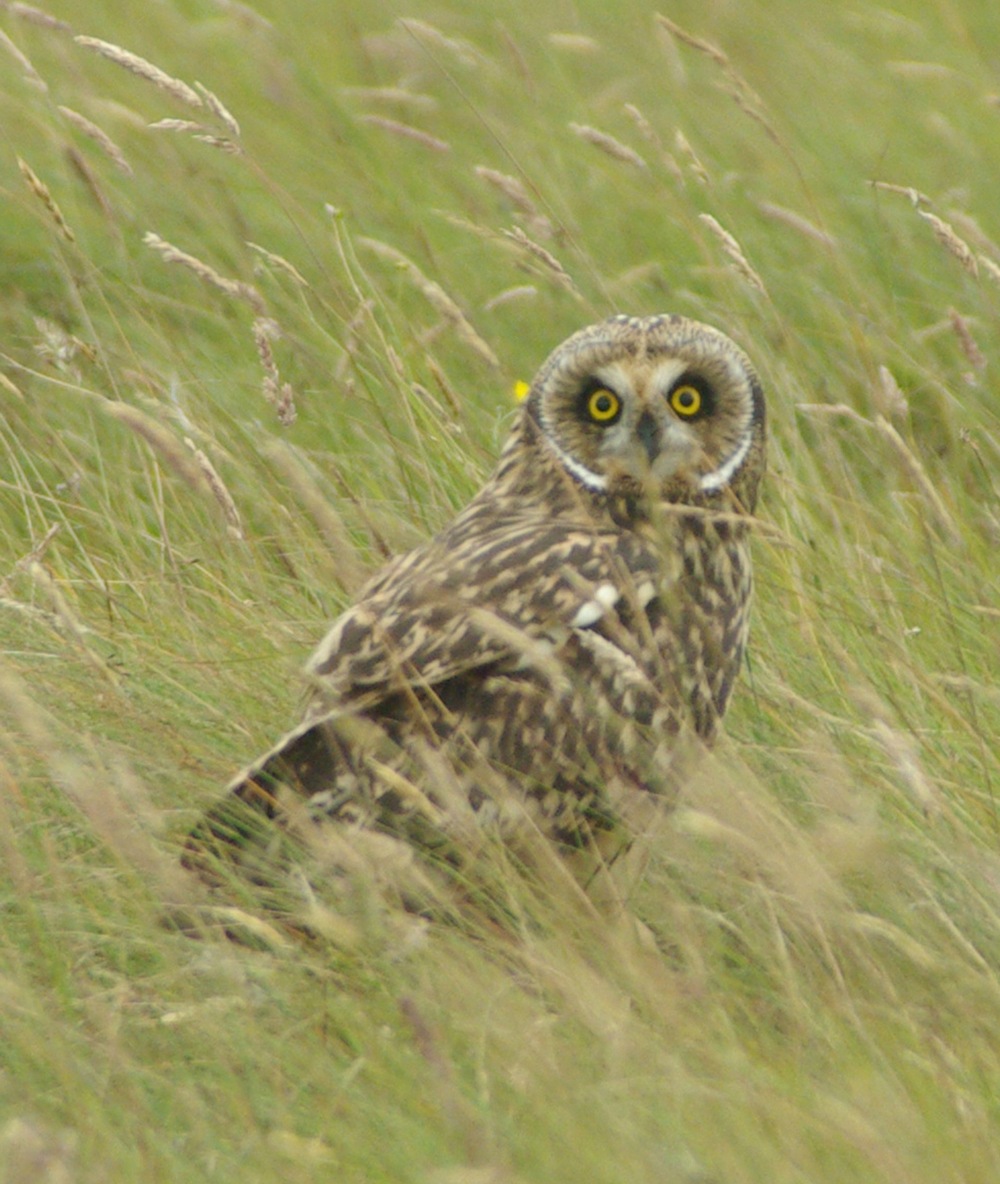
A dense accumulation of frog bones near Cambridge has a compelling natural explanation. Research in Environmental Archaeology points to birds of prey, most probably short-eared owls, rather than people eating or ritually killing the animals.
The remains were excavated during the A14 improvement scheme in 2016–2018. The paper appeared online on 17 October 2026; a Bournemouth University release carried on 9 November brings the findings back into view.
Digestion damage and the animals’ age profiles support a concentrated seasonal feeding episode. The interpretation offers a different view of a Roman landscape: changing habitats, abundant prey and predators exploiting a quiet place.
There is a remaining distinction worth keeping. The authors discuss possible social or ritual avoidance as one explanation for why people left the area quiet. That is speculation about human use of the space, not evidence that the frogs were sacrificed.
Why now: University reporting on 9 November revisits this UK archaeological puzzle. The October paper is a recent finding, not a study released today.
Evidence limits: Predation and the likely species are research interpretations. The paper’s indexed text and publication details were reviewed; its full page was inaccessible. The university account is linked below.