
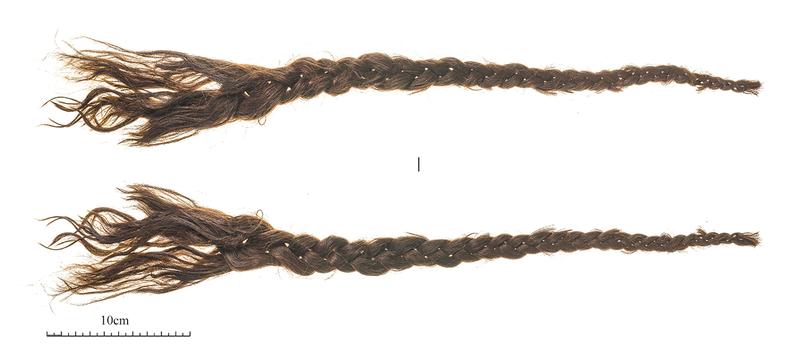
Preserved human hair from a burial mound in southern Siberia has provided evidence of ancient cannabis consumption, according to research reported in Science on 5 November 2026, with an institutional follow-up on 6 November.
At Tunnug 1, an elite Scythian burial site, researchers recovered cannabis seeds alongside unusually well-preserved remains. Radiocarbon dating places sampled seeds in the early eighth century BC. Chemical analysis of hair identified signals consistent with cannabinol, a compound associated with the breakdown of THC, alongside weaker signals consistent with THC itself.
The burial setting raises questions about the plant’s ceremonial significance. Researchers situate the finds in a ritual context, but the material cannot reconstruct the ceremony or establish what participants believed.
Nor does the evidence establish whether cannabis was inhaled or eaten, the amount consumed, or the plants’ original potency. The work concerns ancient consumption and its possible ritual context; it does not demonstrate supernatural experiences.
Why this edition: The 5 November study and 6 November institutional follow-up give us a timely discussion about physical evidence and ritual interpretation. The original journal page was inaccessible: this article uses the participating universities’ accounts, rather than claiming a full review of the paper and supplementary methods.